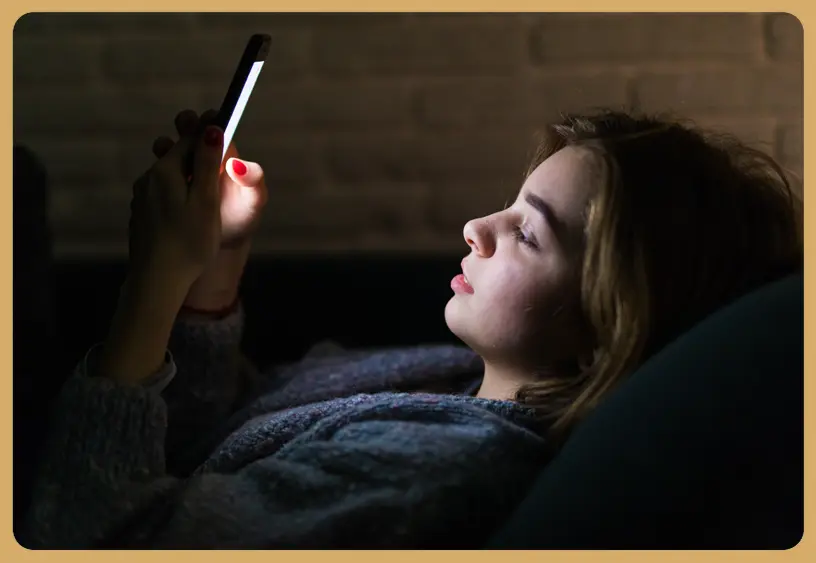
We all do it. Something feels too heavy, disorienting or too much, and we reach out to a friend first — a voice note left at an inconvenient time, a lengthy coffee chat, or a text asking, "Can I rant for five minutes?" Friends matter: they care, they show up, they listen, and they sometimes say the right thing. But conversing with friends is not the same as therapy, even when intentions are good. Believing it is can postpone real healing.
This misunderstanding can be observed at Zivanza Wellness frequently, not that people do not want to receive help, but because they are not aware of what therapy can actually provide their friends that cannot be offered by friendships.
Friends Offer Comfort. Therapy Offers Change.
Friends provide emotional support and consolation: they sit with you, validate your feelings, and remind you you are not alone. Therapy, however, goes further — it explores why patterns repeat, how feelings shape behaviour, and what changes are needed for long-term wellbeing.
Friends Are Emotionally Involved. Therapists Are Neutral.
Friends love and care, and with that comes bias — views, anxieties, and personal experience can shape their responses. Therapists are trained to listen without agenda: to observe patterns, not take sides. That professional distance is what makes therapy safe and effective.
Friends Give Advice. Therapy Builds Insight.
Common well-meaning advice from friends includes:
- "Just ignore it."
- "Be positive."
- "You'll be fine."
Therapy focuses less on quick fixes and more on developing awareness that leads to lasting change. Instead of simply directing action, therapy helps you understand the causes of recurring thoughts, reactions and emotional loops.
Friends Can Get Tired. Therapy Is Consistent.
Friends have their own limits and responsibilities. Even the most supportive friend can become overwhelmed if made someone's sole source of emotional release. Therapy provides a structured, reliable space where you don't need to worry about burdening someone — that consistency can itself be healing.
Therapists Diagnose and Treat.
Stress, anxiety, depression, trauma and burnout involve psychological patterns, neurobiology and behavioural factors. Friends can notice distress but cannot assess severity, diagnose or provide evidence-based treatment. Clinicians have the training and ethical duty to do so.
Confidentiality Matters.
Friendships exist within social networks where stories and feelings overlap. Counselling is confidential by law and ethics — what you say stays in the room — enabling a level of honesty and exploration that friends can't always offer.
Friends Walk With You. Therapy Teaches You to Walk Yourself.
Therapy aims for empowerment: developing skills to manage emotions and cope independently. Friends walk beside you; therapy helps you build the ability to stand on your own emotional feet, which ultimately strengthens relationships rather than replacing them.
Do You Need Both?
Yes. Friendships provide connection and belonging; therapy supports healing and growth. They serve different but complementary roles. Together they make mental health not only manageable, but meaningful.
FAQ
- Isn't chatting with friends sufficient?
Feeling better briefly doesn't guarantee the underlying issue is addressed. Therapy targets deeper patterns. - Is therapy a substitute for friendships?
No. Therapy complements social connection and helps you be healthier in relationships. - Do I need therapy if my issues aren't severe?
Therapy can be preventive, educational and useful for personal growth. - What is different about Zivanza Wellness?
Zivanza integrates clinical knowledge with humane, emotionally safe care.
- Share