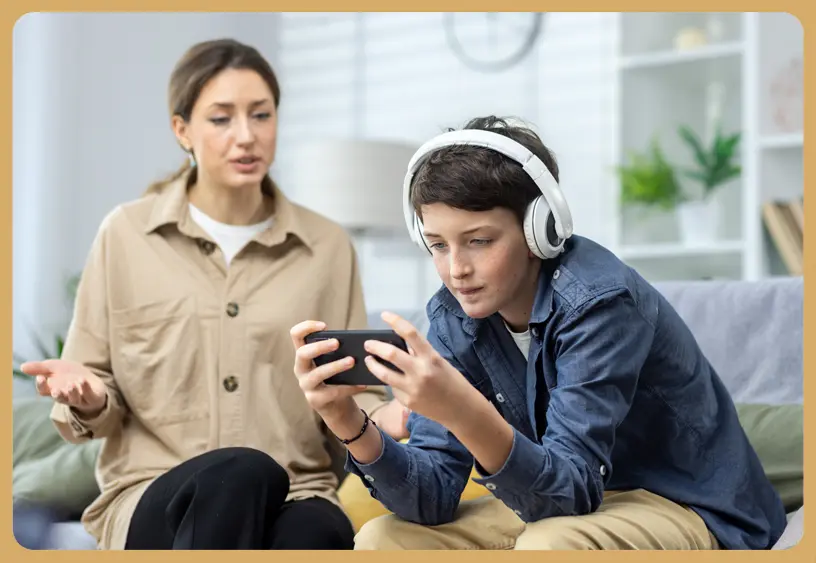
A teenager can be in the same room as you and still be somewhere else entirely.
You call their name. They nod. Their eyes do not move. Their hands do not stop.
And you think, is this normal teen behavior, or is something off?
Gaming is not the villain. Games can be social, creative, stress-relieving, and even skill-building. Many teens play and remain emotionally steady, academically stable, and socially engaged.
But gaming can also become a trapdoor.
One day it is a hobby. Next month it is the only thing that reliably makes them feel good. Sleep shortens. Mood sharpens. The parent becomes the enemy because parents are the ones who say stop.
What Addiction Really Looks Like
Addiction is not always about time. It is often about control.
- Can they stop when they say they will?
- Do they become irritable or aggressive when interrupted?
- Do they lie about time spent?
- Do they “need” gaming daily to calm down?
- Have they lost interest in activities that once mattered?
A teen can game two hours and have an unhealthy attachment. Another can game five hours on a weekend and still function well. Context matters.
Gaming as Emotional Regulation
Some teens use gaming like emotional medication. Not because they are irresponsible, but because it feels reliable.
Gaming provides:
- Instant rewards
- Clear rules
- Predictable outcomes
- Social connection without face-to-face pressure
- A sense of competence when real life feels confusing
If your teen feels anxious, lonely, overwhelmed, or inadequate, gaming can feel like the safest space in their mind.
Risk Factors That Increase Vulnerability
Gaming addiction usually develops from a combination of factors:
- Underlying anxiety or depression
- ADHD or executive functioning challenges
- Low self-esteem
- Bullying or rejection
- Family conflict or high pressure
- Lack of structure
- Chronic sleep deprivation
In the UAE context, additional pressures may include:
- Intense academic expectations
- Multicultural identity stress
- Frequent relocations
- Long parental work hours
- Social lives happening primarily online
Subtle Warning Signs Parents Miss
- Gradual drop in grades
- Withdrawal from sports or hobbies
- Skipping meals or staying isolated in their room
- Sleep reversal patterns
- Poor self-care
- Lying about device use
- Mood swings or emotional flatness
- Constant negotiation around boundaries
Sometimes addiction looks loud. Sometimes it looks quiet and detached.
Ask What Gaming Gives Them
Approach with curiosity, not accusation.
- What do you like about it?
- When do you feel like you need it most?
- What happens when you cannot play?
- Who do you play with?
- Do you ever feel guilty afterward?
Their answers often reveal emotional needs rather than defiance.
What Not to Do
- Avoid surprise device raids unless safety is at risk
- Do not shame or compare them to others
- Do not start discussions in anger
- Do not make threats you cannot enforce
- Do not frame it as parent versus teen
The healthier frame is parent and teen versus the behavior pattern.
Boundaries That Work
Predictable structure reduces rebellion.
- Gaming after responsibilities are complete
- Tech-free family meals
- No gaming after a fixed time
- Devices charged outside bedrooms at night
- Weekly agreed screen plans
- Scheduled family time
Consistency matters more than intensity.
Sleep Is Foundational
When sleep is disrupted, everything deteriorates:
- Mood regulation
- Focus and impulse control
- Anxiety levels
- Motivation
Repairing sleep patterns is often the first practical intervention.
Gaming as a Symptom
Excessive gaming may mask deeper issues:
- Social anxiety
- Depression
- Academic struggles
- Family conflict
- Trauma or grief
- Loneliness
Reducing screen time alone does not resolve the underlying pain.
When to Seek Professional Help
- Aggression when interrupted
- Major academic decline
- Isolation from real-life relationships
- Persistent sleep disruption
- Symptoms of anxiety or depression
- Frequent lying and secrecy
- Hopelessness or self-harm talk
Early intervention is easier than crisis repair.
Support Approach
Effective support focuses on behavior patterns with emotional roots.
- Building healthier coping tools
- Addressing anxiety or mood issues
- Improving family communication
- Creating consistent routines
- Aligning goals with the teen’s motivation
Parents are not just rule-setters. They shape the environment.
Final Thought
You do not have to choose between being strict and being supportive. You can set limits and remain connected.
Your teen does not need perfection. They need steadiness.
If gaming feels like it is taking over, early clarity and structured support can restore balance without turning your home into a battlefield.
- Share