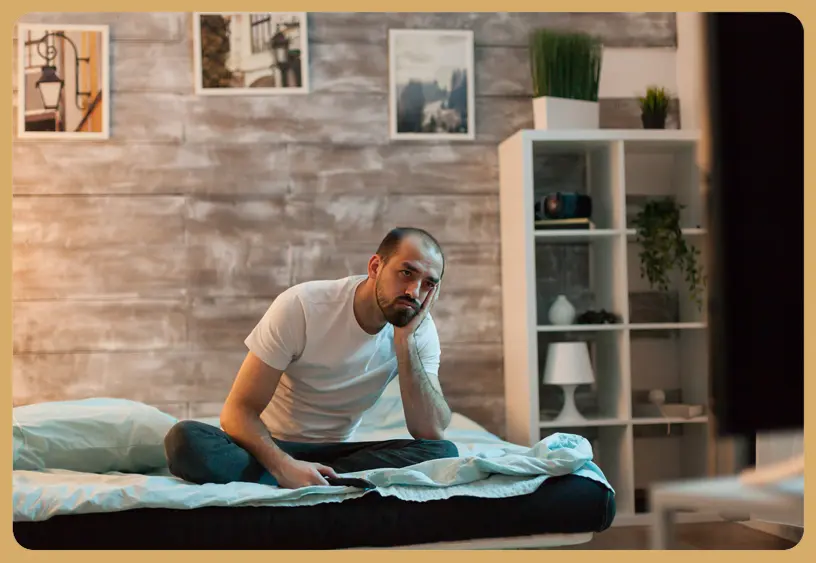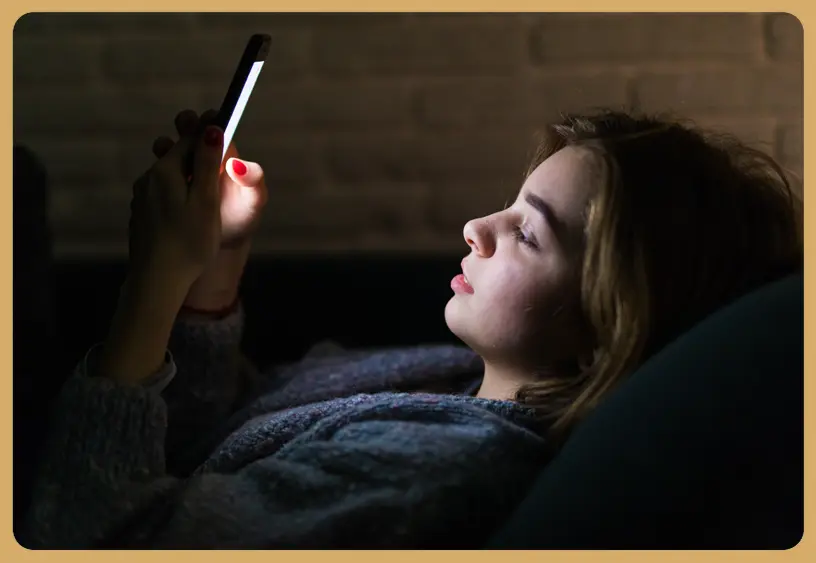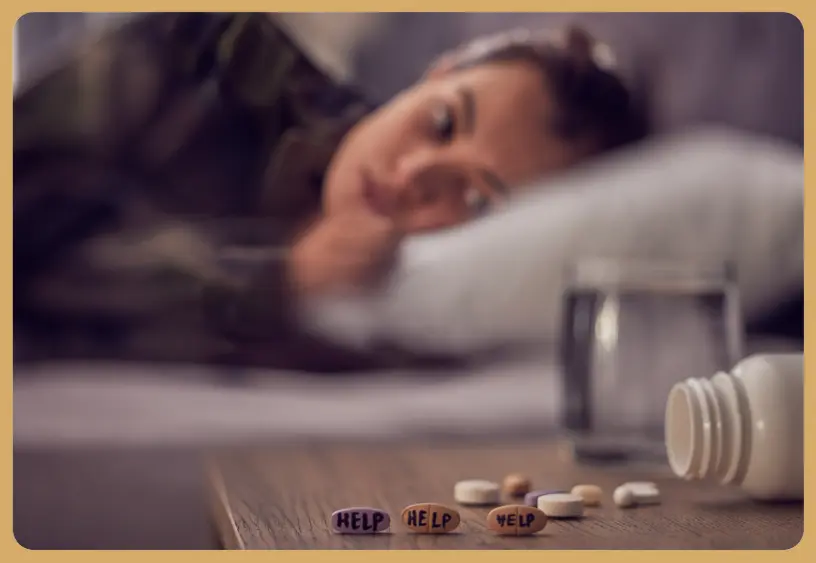
A lot of people end up on sleeping pills almost by accident. Some rough patch arrives, maybe work stress or grief or a newborn, and the nights fall apart. A doctor prescribes something to get them through, it does the job, and the rough patch eventually passes.
The pill, though, stays on. By then the thought of a night without it has become alarming on its own, and a short bridge across a bad few weeks has hardened into the only way the person believes they can get any sleep.
Why Sleeping Pills Stop Working Over Time
The drugs most people mean by sleeping pills are the benzodiazepines and the so-called z-drugs such as zolpidem. They are genuinely good at knocking out short-term insomnia, which is what they were built for.
What trips people up is that the body adapts to them. After weeks and months the brain has adjusted to the constant presence of the medication, the original dose starts doing less, and the sleep it produces is often shallower than it feels from the inside.
Plenty of long-term users are actually getting a poorer night than they think, while staying completely certain the tablet is all that stands between them and lying awake until dawn.
That certainty is really the engine of the problem. Once the drug has stopped doing much pharmacologically, it carries on working as a sort of psychological insurance policy, and at that stage the dependence has far more to do with the dread of stopping than with anything happening in the bloodstream.
What Sleeping Pills Do Not Treat
Here is the part that matters most for anyone who has been on them a while. A sedative switches off the experience of lying awake. Whatever was generating that wakefulness in the first place carries on regardless.
If the insomnia is being driven by an anxiety disorder, by a depression nobody has named, by pain that isn't well controlled, or by the self-feeding worry about not sleeping that becomes its own cause, then the pill quietens the nightly symptom while the real driver sits beneath it, unaddressed.
This can run for years on end. The person sleeps after a fashion, gets through the days, and never arrives at the question of why their sleep collapsed, because the medication has made that question feel beside the point.
Meanwhile the anxiety or the low mood underneath goes on affecting other corners of their life, and nobody connects it back to the sleep, since its loudest nightly signal has been chemically switched off.
What Happens When You Stop Taking Sleeping Pills
The first thing worth being clear about is that you should not just stop, particularly with benzodiazepines.
Abrupt withdrawal from those can be dangerous and occasionally causes seizures. Coming off is a staged process, supervised by a clinician, with the dose stepped down gradually over a number of weeks.
The bit people fear is rebound insomnia. For a while after cutting down, sleep often gets worse than it was on the drug, sometimes a lot worse, and this is exactly the moment most people lose their nerve and go back on it, reading the bad nights as confirmation that they cannot cope without help.
The rebound is a passing withdrawal effect that eases as the nervous system resets, generally within a fortnight or so for the z-drugs and over a longer, more unpredictable stretch for benzodiazepines.
Being told in advance that this phase is coming, and that it does lift, is most of what carries people through it.
As the sedation fades, the thing the pills had been covering tends to come back into view. A person who had effectively been medicating an untreated anxiety problem may notice the anxiety climbing again.
Unpleasant as that is, it is often the most valuable moment in the whole process, because the underlying issue finally becomes visible enough to do something about.
Treating the Cause of Insomnia Instead of Sedating It
For long-term insomnia, the treatment with the best evidence behind it is a form of therapy rather than a drug.
Cognitive behavioural therapy for insomnia, usually written CBT-I, is what sleep specialists reach for first, and it works by rebuilding the relationship a person has come to have with their own bed.
It targets the habits that keep the cycle going:
- Spending hours lying awake trying to force sleep.
- Spending excessive time in bed hoping to catch extra sleep.
- The growing fear of tomorrow's exhaustion that helps perpetuate another sleepless night.
Most people improve within several weeks, and the benefit usually lasts well beyond the end of treatment.
When something specific is fuelling the insomnia, that has to be treated in its own right. Getting a depression or an anxiety disorder under control, or properly managing chronic pain, frequently does more for someone's sleep than any sedative ever did.
This work generally happens alongside the taper, so the two run together and the person is not left with an empty space where the pill used to be.
How to Come Off Sleeping Pills Safely
In practice the route looks roughly like this:
- A clinician reviews how long you have been taking the medication and at what dose.
- A gradual tapering schedule is created to reduce withdrawal symptoms.
- CBT-I or treatment for the underlying cause begins before or during the taper.
- Expected setbacks and temporary sleep disruption are discussed in advance.
- Progress is monitored and adjustments are made as needed.
People who do this with proper backing fare a great deal better than those who try to grit their way through alone and abandon the whole thing after the first run of broken sleep.
None of it is fast, and anyone promising an easy exit from years of sedative use is not being honest with you.
It does take weeks, sometimes a few months, with support that holds steady across the inevitable wobbles.
If you have been leaning on sleeping pills for longer than you ever planned and want to understand what coming off them would really involve, the clinicians at Zivanza Wellness can assess your sleep, look into what might be driving it, and build a plan to taper safely with the right support around you. Consultations can be arranged with the clinic in confidence.
- Share