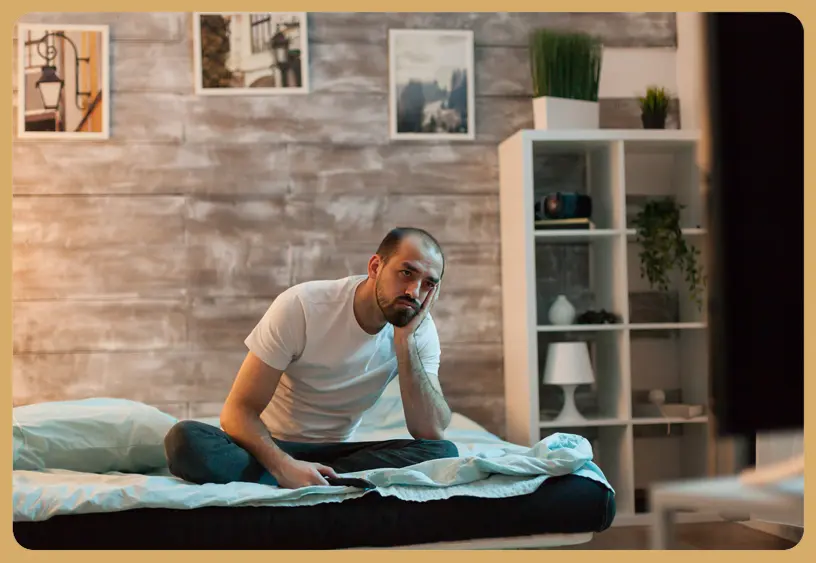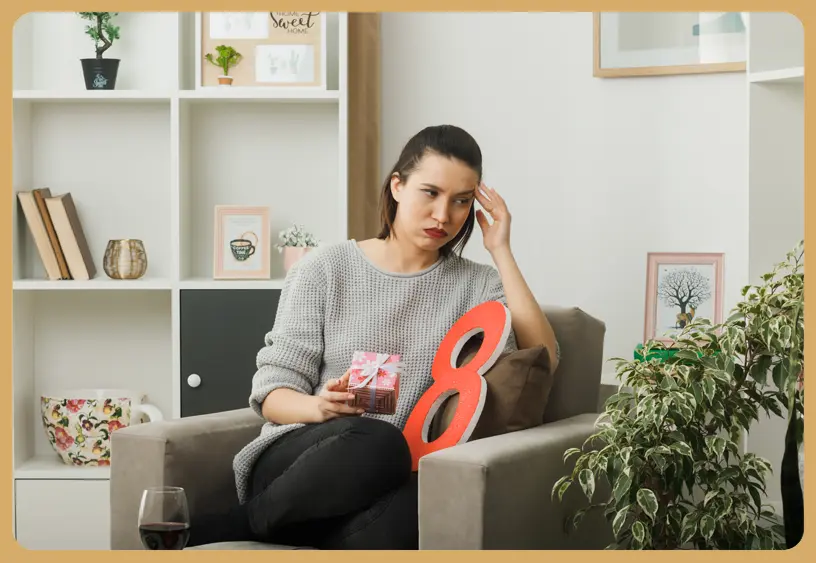
Almost everyone has asked themselves some version of this. You've had a rough stretch, you're low or wound-up or not sleeping well, and a small voice wonders whether you should talk to someone, quickly followed by a louder one insisting you're being dramatic and just need to get through the week. Most people settle the argument by doing nothing and hoping it passes.
Here's the thing worth knowing. The question feels impossibly subjective, but clinicians actually use two fairly simple measures to answer it, and once you know what they are, your own situation usually gets a lot clearer.
Why the Question Is So Hard to Answer From the Inside
Part of the problem is that the two things genuinely look alike at first. A bad week and the early stage of something more serious can start identically. Tiredness. A short fuse. That flat, grey feeling where nothing's exactly wrong but nothing's quite right either. From inside your own head, on a Tuesday, you can't easily tell which one you're in.
The other part is cultural. We're taught that struggling is normal, that everyone's stressed, that you should be able to cope. All of which is true, and all of which quietly nudges people toward minimising things that deserve attention.
So the honest answer to "am I overreacting?" is that you can't reliably judge it by feel alone, which is exactly why it helps to have something more concrete than a gut sense to go on.
The Two Questions Clinicians Actually Ask
When a mental health professional is working out whether someone needs support, they tend to look at two things:
- How much distress are you in?
- How much is it interfering with your life?
Distress is the first measure, and it's about intensity and duration together. Feeling down for an afternoon is weather. Feeling down most of the day, most days, for a couple of weeks or more is a pattern.
The rough clinical rule of thumb, the one that comes up again and again, is two weeks. A low or anxious mood that lifts within a few days was probably just a hard patch. One that's still there after a fortnight, especially with no obvious reason, has crossed into territory that deserves to be taken seriously.
The second question is the one people often forget, and it's frequently the more useful of the two. Not how bad you feel, but what the feeling is stopping you from doing.
Are you still sleeping, eating, working, showing up for people? Or has the thing started affecting those areas? Impairment in functioning, as clinicians call it, is often a clearer signal than the mood itself, because you can talk yourself out of trusting a feeling, but it's harder to argue with the fact that you've stopped returning texts or can't concentrate at work.
What a Bad Week Actually Looks Like
A genuinely bad week has a few recognisable features, and they're reassuring ones.
- It usually has a clear cause, such as a deadline, a disagreement, poor sleep, or difficult news.
- It tends to fluctuate, with some hours or days feeling better than others.
- It responds to ordinary self-care, such as getting enough rest, going for a walk, spending time with friends, or simply reaching the weekend.
If your low patch has a clear trigger, rises and falls rather than remaining constant, and improves when you look after yourself, it's very likely just a difficult week doing what difficult weeks do.
When It's Probably More Than That
The picture changes when the ordinary fixes stop working. That's often the most telling sign. You rest, you socialise, you finally reach the weekend you've been waiting for, and the feeling is still sitting there largely unchanged.
Several other signs point in the same direction:
- Low mood or anxiety lasting longer than two weeks.
- Persistent sleep problems, whether waking very early or struggling to get out of bed.
- Losing interest in activities you normally enjoy.
- Changes in appetite or weight without trying.
- Physical symptoms such as headaches or stomach problems with no clear medical cause.
- Withdrawing from friends and family or regularly cancelling plans.
- Relying more heavily than usual on alcohol, food, or excessive screen time to cope.
Any one of these on its own might not mean much. Several of them together, persisting for weeks, suggest that "just a bad week" is no longer the best explanation.
There is one important exception. If you ever have thoughts of not wanting to be here or harming yourself, don't wait to see if things improve. Reach out to a mental health professional or emergency support service immediately.
Therapy Isn't Only for When Things Fall Apart
One belief keeps people away from therapy longer than it should: the idea that it's reserved only for serious mental illness or people in crisis.
It isn't.
Many people attend therapy while functioning well on the surface. They want to understand recurring relationship patterns, manage life transitions, improve coping skills, or simply have a confidential space to think things through with someone objective.
None of that requires a diagnosis, and none of it is a waste of a therapist's time. In fact, therapists often say they wish people had come sooner, because challenges addressed early are generally easier to work through than those left to build over many months.
The Honest Bottom Line
If your difficult period has a clear cause, fluctuates throughout the day, and improves with rest and self-care, it's likely just a tough week. Give yourself permission to recover.
If you've done all of that and the feeling hasn't improved after a couple of weeks, or it's begun affecting your sleep, work, relationships, or daily functioning, it's worth having a conversation with a mental health professional.
And if you genuinely can't tell whether you're dealing with temporary stress or something more significant, that uncertainty alone is a perfectly reasonable reason to seek support. Helping people answer exactly that question is often what the first therapy session is for.
Zivanza Wellness offers psychology and psychiatry consultations, and you don't need to be in crisis—or certain you "qualify"—to book an appointment. You can discuss your concerns in complete confidence.
- Share